Lewiston's Gun Violence Crisis: It's Time for Real Solutions
Here in Dirty Lew, we're no strangers to challenges. We're a resilient community, known for our grit and our ability to pull together when the chips are down. But lately, a dark cloud has been hanging over our city, one that demands our urgent attention: the alarming rise in youth gun violence. It's a problem that's not just making headlines; it's touching our neighborhoods, our families, and our sense of security. What's even more frustrating is the feeling that our city council seems to be dragging its feet, offering little in the way of concrete plans or effective action. Meanwhile, our judges often hand down what many perceive as weak sentences, and our jails are bursting at the seams, creating a revolving door that does little to deter repeat offenders. We need to talk about this, Lewiston, because ignoring it isn't an option anymore. Our kids, our future, and the safety of our entire community depend on us confronting this head-on.
Lewiston City Council's Stalled Response to Youth Gun Violence
Let's be blunt: when it comes to tackling the escalating issue of youth gun violence in Lewiston, many of us feel like our city council is operating without a clear roadmap. We've seen the headlines, heard the sirens, and felt the unease spreading through our streets. Yet, the comprehensive, proactive plan we desperately need seems to be conspicuously absent. It's not enough to condemn violence after the fact; we need a strategic, multi-faceted approach that addresses the root causes and provides tangible solutions for prevention and intervention. The community is looking for leadership, for a cohesive strategy that goes beyond temporary fixes or reactive measures. We need to see our elected officials collaborating with law enforcement, schools, and community organizations to build a sustainable framework for peace and safety. The current perception is that the response is disjointed, lacking the urgency and coordination required to truly make a dent in this growing problem.
Adding to this frustration is the often-criticized leniency in judicial sentencing. When young offenders, sometimes involved in serious gun-related incidents, receive what are perceived as very light sentences, it sends a troubling message. It can undermine the efforts of law enforcement and, more importantly, fail to act as a sufficient deterrent for others contemplating similar actions. The argument often made is that these are young lives, and rehabilitation should be a priority. While that sentiment is understandable and vital, there's a delicate balance to strike between rehabilitation and accountability. When the consequences don't seem to match the severity of the crime, it can foster a sense of impunity among some youths and erode public trust in the justice system. The community yearns for a justice system that is fair, firm, and effective in protecting its citizens.
Overcrowded Jails and Bates College Safety Concerns
The issue is further compounded by the stark reality of full jails. Our correctional facilities are often at or over capacity, leading to a host of problems. Overcrowding can strain resources, make effective rehabilitation programs more challenging to implement, and sometimes even contribute to earlier releases to make space for new inmates. This creates a difficult cycle where the system struggles to adequately house, manage, and reform individuals, potentially contributing to recidivism. It's a complex problem that requires not just more space, but also a re-evaluation of how we manage offenders and what resources are available to them upon release to prevent them from re-entering the system.
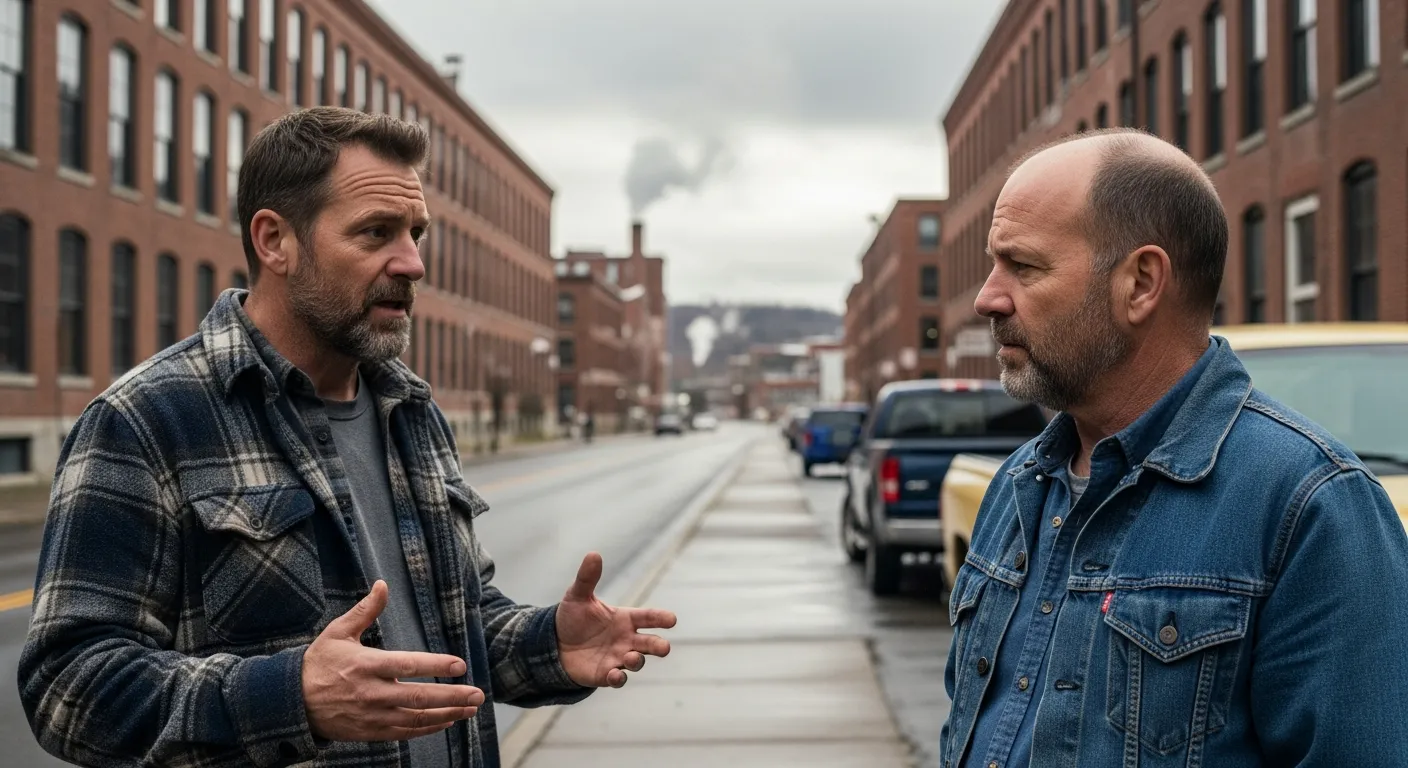
This climate of rising violence naturally leads to questions about safety, particularly for vulnerable populations. A significant concern for many Lewiston residents, and indeed for the city's broader reputation, is the safety of Bates College students. Bates is a vital part of our community, bringing vibrancy, economic activity, and intellectual curiosity to Lewiston. The safety of its students, whether they're walking through downtown, heading to local businesses, or simply living on campus, is paramount. Parents sending their children to Bates, and the students themselves, deserve to feel secure. Incidents of gun violence, especially those involving youth, can cast a long shadow over the college experience and potentially deter future students from choosing Lewiston. Ensuring the safety of Bates students isn't just about protecting individuals; it's about protecting a key institution and a significant part of Lewiston's identity and future prosperity. The city council's perceived inaction, coupled with weak sentencing and full jails, does not inspire confidence that these concerns are being adequately addressed, leaving many to wonder if Bates College students are truly safe in our city.
Actionable Steps: What Lewiston Can Do to Combat Gun Violence
It's easy to point fingers, but the real challenge-and our collective responsibility-lies in finding solutions. Lewiston is a community that has faced adversity before and emerged stronger. Addressing youth gun violence requires a comprehensive, collaborative effort from every corner of our city. This isn't just a job for law enforcement; it's a call to action for parents, educators, community leaders, and every concerned citizen.
City Initiatives for a Safer Lewiston
- Develop a Coordinated Youth Violence Prevention Plan: The city council needs to stop operating in silos. We need a clear, actionable plan that integrates law enforcement strategies with social services, mental health support, and educational programs. This plan should be publicly accessible, with measurable goals and regular progress reports. It should focus on early intervention, identifying at-risk youth before they become involved in violence, and providing them with viable alternatives and support systems.
- Strengthen Community-Police Partnerships: Building trust between law enforcement and the communities they serve is crucial. This means more than just patrols; it means community policing initiatives, youth engagement programs with officers, and open lines of communication. When residents feel comfortable reporting suspicious activities and cooperating with police, it creates a safer environment for everyone.
- Invest in After-School and Mentorship Programs: Idle hands often find trouble. The city should actively support and expand after-school programs, recreational activities, and mentorship opportunities that provide safe, structured environments for young people. These programs can offer positive role models, teach valuable life skills, and keep kids off the streets during critical hours.
- Advocate for Stricter Sentencing and Judicial Accountability: While local judges operate within state guidelines, the city council and community leaders can advocate for legislative changes that ensure appropriate consequences for gun-related offenses, especially those involving youth. This isn't about being punitive for its own sake, but about ensuring that the justice system acts as a true deterrent and provides adequate protection for the community. Furthermore, local officials can engage with the judiciary to understand current sentencing philosophies and express community expectations for accountability.
- Address the Jail Capacity Challenge: The city needs to work with county and state officials to find sustainable solutions for jail overcrowding. This could involve exploring alternatives to incarceration for non-violent offenses, investing in diversion programs, or advocating for increased funding for correctional facilities and their rehabilitation programs.
The Pivotal Role of Parents and Guardians
While the city has a crucial role, the most significant impact often begins at home. Parents and guardians are on the front lines, and their proactive engagement is indispensable in steering youth away from violence.
- Open Communication and Active Listening: Create an environment where children feel comfortable discussing their challenges, fears, and influences. Ask about their friends, what they're doing online, and what they're seeing in their neighborhoods. Pay attention to changes in behavior, mood, or academic performance.
- Set Clear Expectations and Boundaries: Establish firm rules regarding curfews, peer groups, and responsible behavior. Consequences for breaking these rules should be consistent and understood. Children thrive on structure and knowing where the lines are drawn.
- Monitor Social Media and Online Activity: The digital world is a significant influence on today's youth. Be aware of the platforms they use, the content they consume, and the people they interact with online. Gangs and negative influences often recruit or spread messages through social media.
- Know Your Child's Friends and Their Families: Understand who your child is spending time with. Meet their friends' parents, if possible, and foster a network of responsible adults who can collectively look out for the well-being of the neighborhood's youth.
- Emphasize Conflict Resolution Skills: Teach children how to resolve disagreements peacefully, without resorting to violence. Model good behavior and discuss the devastating consequences of gun violence.
- Secure Firearms at Home: If there are firearms in the household, they must be stored securely, unloaded, and locked, with ammunition stored separately. Education about gun safety and responsible ownership is non-negotiable.
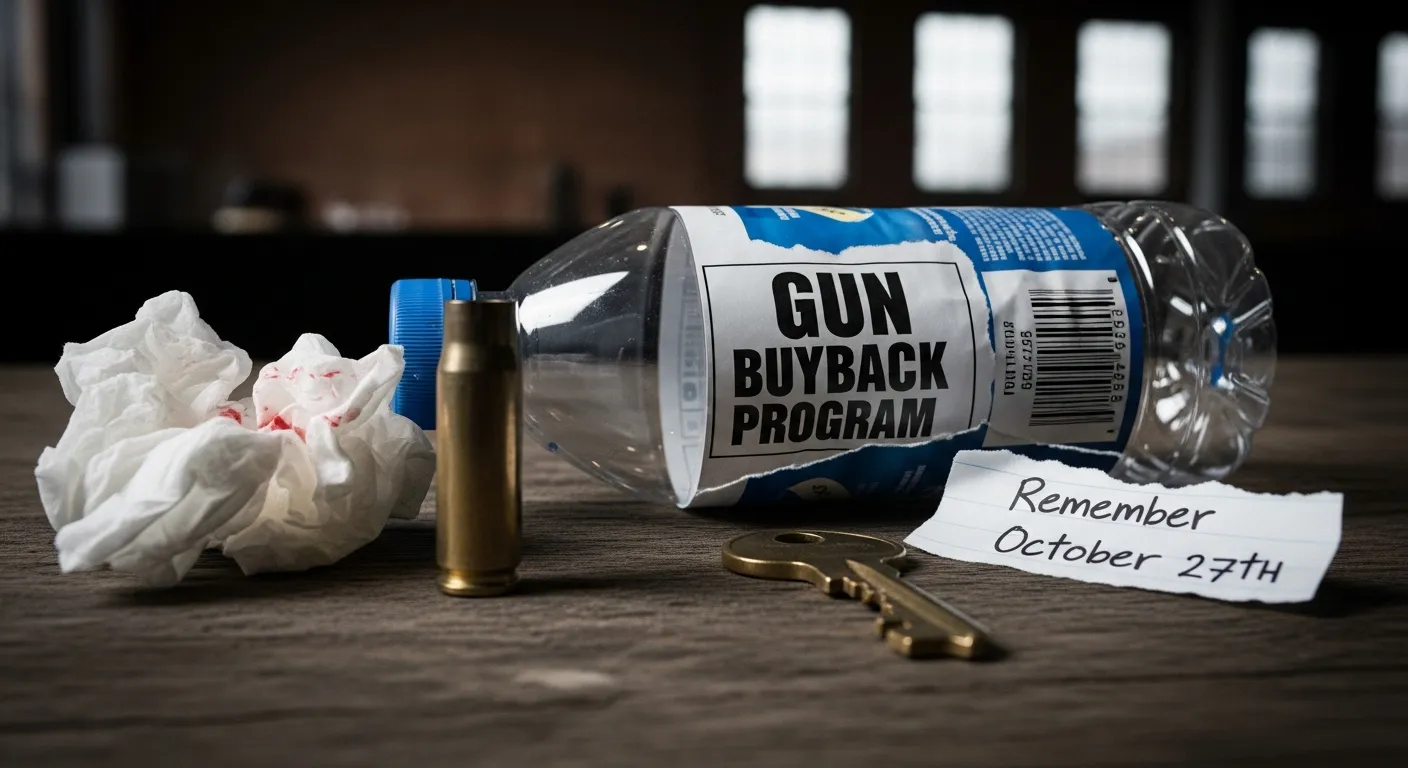
Changing the trajectory of youth gun violence in Lewiston isn't a quick fix. It requires sustained effort, uncomfortable conversations, and a willingness to invest in our community's most valuable asset: its young people. By working together-city, parents, and community-we can create a safer, more hopeful future for Dirty Lew.
Understanding the Demographics: Connecting Youth Violence with Social Welfare
To truly address youth gun violence in Lewiston, we must move beyond surface-level observations and delve into the underlying factors that contribute to it. This means looking at the demographics of the kids involved and understanding how these patterns intersect with the availability, or lack thereof, of social welfare programs and opportunities. It's not about making excuses, but about understanding the complex web of circumstances that can push young individuals towards destructive paths.
The Link Between Disadvantage and Delinquency
While violence can unfortunately touch any demographic, studies and local observations often point to a disproportionate involvement of youth from marginalized communities. These are often areas characterized by:
- Poverty and Economic Hardship: Families struggling with poverty often face immense stress, which can impact parenting capacity and create environments where children feel a lack of hope or opportunity. When legitimate pathways to success seem blocked, some youth may be drawn to illicit activities as a perceived means of survival or gaining status.
- Lack of Educational Resources: Schools in underserved areas may struggle with underfunding, higher teacher turnover, and fewer extracurricular activities. This can lead to lower academic achievement, increased dropout rates, and a sense of disengagement from the educational system, leaving youth with more unsupervised time and fewer positive outlets.
- Limited Access to Mental Health Services: Trauma, whether from witnessing violence, experiencing neglect, or other adverse childhood experiences (ACEs), is a significant predictor of future behavioral problems. Communities with high rates of violence often lack adequate access to affordable and culturally competent mental health services, leaving young people to cope with profound psychological wounds on their own.
- Family Instability and Lack of Positive Role Models: Broken homes, parental incarceration, or an absence of consistent, positive adult figures can leave a void in a child's life. Gangs or other negative peer groups can then step in, offering a sense of belonging, protection, and identity that is missing elsewhere.
- Systemic Discrimination: Experiences of discrimination, whether racial, ethnic, or socio-economic, can foster feelings of alienation and distrust towards institutions, including law enforcement and the justice system. This can create a cycle of marginalization that makes it harder for youth to escape negative influences.
The Role of Social Welfare Programs
This is where robust and accessible social welfare programs become absolutely critical. They are not merely handouts; they are investments in prevention, intervention, and community stability. When these programs are underfunded, poorly managed, or non-existent, the vacuum is often filled by negative forces. Effective social welfare initiatives can:
- Provide Economic Support: Programs like SNAP, housing assistance, and job training can alleviate financial strain on families, allowing parents to focus more on their children's well-being and providing youth with better opportunities for future employment.
- Strengthen Educational Pathways: Funding for early childhood education, after-school tutoring, and vocational training can equip young people with the skills and knowledge needed to pursue positive life trajectories, making them less susceptible to the allure of quick, illicit money.
- Expand Mental Health and Counseling Services: Accessible and culturally sensitive mental health support can help youth process trauma, manage anger, and develop coping mechanisms, addressing the underlying emotional distress that can contribute to violent behavior.
- Support Family Stability: Parenting classes, family counseling, and programs designed to support single-parent households or families dealing with incarceration can help build stronger family units and provide children with the stable environments they need to thrive.
- Offer Positive Youth Development: Community centers, sports leagues, arts programs, and mentorship initiatives funded through social welfare can provide safe spaces, foster positive relationships, and instill a sense of purpose and belonging, diverting youth from gang involvement. We must consider how existing programs like undefined can be strengthened, or what new initiatives are needed, to fill critical gaps. Similarly, looking at successful models outside of Lewiston, perhaps through resources like undefined, could provide valuable insights.
Ignoring the demographic realities and the critical role of social welfare programs is akin to treating the symptoms without addressing the disease. For Lewiston to truly reclaim its streets from youth gun violence, we must advocate for and invest in these essential support systems. It's an investment in our youth, an investment in our community's future, and a moral imperative.
Your Voice Matters: Demand Action for a Safer Lewiston
The time for passive observation is over. Our community, our children, and our future depend on us taking a stand. We've talked about the lack of a clear plan from our city council, the frustrations with weak sentencing, the strain on our jails, and the critical need for robust social welfare programs. Now, it's time to translate concern into action.
Your city councilors are elected to represent you, but they can only act effectively when they hear directly from their constituents. They need to understand the depth of community concern, the urgency of the situation, and the demand for concrete, measurable solutions. Don't assume someone else will speak up. Your individual voice, when combined with others, creates a powerful chorus that cannot be ignored.
We need comprehensive plans for prevention, strong accountability for offenders, and genuine investment in the well-being of our youth. We need a Lewiston where every child feels safe, where opportunities abound, and where gun violence is a tragic memory, not a daily fear. Make your voice heard. Call your city office and complain to your councilor. Let them know you demand a safer Lewiston.
Call the Lewiston City Office: 207-513-3000
Loading comments...